A Practical Guide to Choosing Natural Latex Mattresses for Better Sleep
In a world saturated with sleep aids and memory foam overlays, the case for natural latex mattresses is gaining a quiet, durable following. This guide distills the science, ethics, and everyday practicality of selecting a latex mattress that genuinely supports restful nights. We’ll compare natural latex to synthetic foams and hybrids, unpack key features to evaluate, and spotlight three historically distinct voices who shaped how we think about comfort, materials, and responsible design across centuries.
The enduring appeal of natural latex
Natural latex mattresses are crafted from the sap of rubber trees, typically Hevea brasiliensis. The material has long been celebrated for its balance of buoyant support and contouring response. Unlike many synthetic foams, natural latex tends to resist heat buildup better, offers a responsive feel that many sleepers interpret as “supportive bounce,” and often carries certifications that attest to safety and environmental stewardship.
Two core reasons explain their popularity. First, the intrinsic elasticity of latex provides consistent pressure relief without the “sinking” sensation associated with lower-density foams. Second, well-made latex layers are durable, maintaining their shape and resilience for years, which translates into longer-lasting comfort and fewer warranty headaches.
Ethical considerations accompany the material, too. Responsible latex sources emphasize sustainable tapping practices, fair labor standards, and transparency in the supply chain. Certifications such as Oeko-Tex and other third-party verifications help buyers navigate the market with confidence. The aim is a sleeping surface that respects both the sleeper and the planet.
Key individuals who shaped sleep, design, and materials across eras
-
Hypnos of Ancient Greece (Mythic to Material) — In myth and early design lore, Hypnos personified sleep, guiding human bodies toward rest with a graceful authority. While not a scientist, his archetype underscored a timeless truth: the quality of the resting surface shapes the quality of the night. This lineage anchors present-day discussions about support, temperature, and comfort in a lineage of human needs that predates modern foam lakes and memory layers.
Time-era anchor: Antiquity
-
Rudolf Steiner and the Design of Well-Being (Industrial to Modern) — Steiner’s holistic approach to wellness, color, and materials informed a generation of designers who viewed the bed as an environment rather than a single product. The insistence on natural materials, breathable structures, and ergonomic alignment reverberates through today’s latex mattress conversations, especially around sustainability and indoor air quality.
Time-era anchor: Early 20th century
-
Sheryl Sandberg and the Modern Sleep Economy (Information Age) — While not a designer of mattresses, Sandberg’s emphasis on data, transparency, and consumer empowerment echoes in today’s certifications, labelling, and consumer-accessible guides. Her influence helps consumers demand clarity on ILD ratings, density, and ecological considerations when choosing latex products.
Time-era anchor: 21st century
What makes natural latex different from other foams and materials?
Understanding the material starts with the source and the process. Natural latex is typically harvested from rubber trees and processed with minimal synthetic additives. In contrast, memory foam and polyurethane foams rely on petrochemical components. The result is a mattress with distinct properties in three domains: durability, breathability, and bounce. Latex tends to retain its spring and shape longer, supports even weight distribution, and resists the heat retention that can plague some foam-based beds.
Durability translates to a longer lifespan, reducing the frequency with which sleepers must replace the mattress. Breathability is a function of cell structure and the permeability of the latex. A well-ventilated latex core disrupts heat buildup, contributing to a cooler sleep environment. Bounce, or responsiveness, is a hallmark that many sleepers associate with the “supportive” feel of latex versus the “sinking” sensation that some foams impart.
How to evaluate a latex mattress: density, ILD, zoning, and casing
When you shop for natural latex, you will encounter several technical terms that describe the feel and performance of the bed. Here are the key concepts you should know and how to weigh them in your decision.
- Density and composition: latex can be 100% natural, or blended with other materials. Higher density generally correlates with durability and support longevity, but the feel also depends on the cell structure and manufacturing technique (e.g., Dunlop vs. Talalay processing).
- ILD (Indentation Load Deflection): ILD measures how firm the latex is. Lower ILD means softer feel; higher ILD means firmer. For side sleepers, a medium to medium-soft ILD is common; for back and stomach sleepers, a medium to medium-firm range is often preferred.
- Zoning and layering: Some latex mattresses employ zoned layers to offer targeted support to shoulders and hips. Zoned designs can enhance alignment and reduce pressure build-up in sensitive areas without compromising overall responsiveness.
- Casing materials and construction: The cover and edge support determine durability, ease of movement, and microclimate around the sleeping surface. Natural fabrics and breathable linings align with the eco-conscious ethos of latex beds.
- Certifications and safety: Look for OEKO-TEX Standard 100, GOTS-certified covers, and other third-party validations that verify chemical safety and environmental responsibility.
In practical terms, the best approach is to test mattresses in person if possible. Lie on your back, side, and stomach in a neutral position, and evaluate how your hips and shoulders feel. A latex mattress should cradle and support with minimal sinking, while still offering enough contouring to relieve pressure points. If you’re shopping online, rely on reputable retailers who provide clear ILD ranges, density data, and the origin of the latex.
A quick comparison: natural latex vs memory foam, innerspring, and hybrids
- Memory foam: Known for its slow response and deep pressure relief, memory foam can be excellent for motion isolation. However, it can trap heat for some sleepers and may feel less buoyant than latex.
- Innerspring: Traditional coils deliver strong edge support and a familiar bounce. Latex can be used in combination with innersprings (hybrids) to combine the best of both worlds: a supportive core plus latex comfort layers for pressure relief.
- Hybrid latex: A latex comfort layer over a pocket-coil or zoned support core can offer a balanced feel with good airflow and durable performance. This is often a preferred configuration for a wide range of sleepers.
The key takeaway is alignment with sleep style, temperature sensitivity, and budget. Natural latex offers an appealing blend of durability, breathability, and a responsive feel that suits many, but it is not a one-size-fits-all solution. The optimal choice depends on your body, sleep position, and the environment in which you rest.
Practical steps to choose: a buyer’s checklist
- Identify your sleep position and firmness preference. Side sleepers often prefer softer upper layers to relieve shoulder pressure, while back and stomach sleepers may opt for a firmer profile for spinal alignment.
- Assess the latex source and certifications. Prefer 100% natural latex with transparent sourcing, and seek independent certifications that verify safety and sustainability.
- Check the ILD range and layering. Confirm the ILD of each latex layer and whether the mattress includes a zoning pattern that supports alignment.
- Evaluate cover materials and cooling features. Breathable, natural covers help maintain comfort, especially in warmer climates.
- Ask about warranty and return policies. A strong warranty and a reasonable trial period are indispensable for a purchase of this magnitude.
Product spotlight: Vergennes Platform Bed as a design and foundation anchor
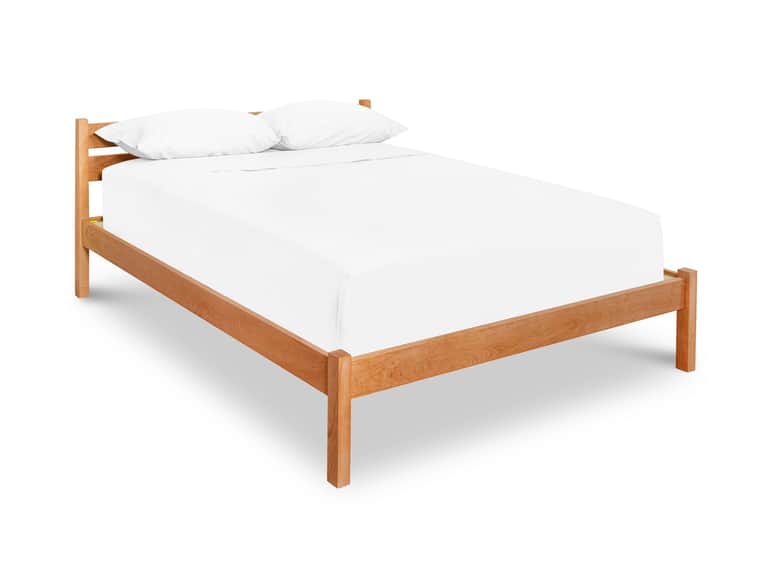
In pursuit of a sleep environment that embodies the calm, renewal-driven ethos of spring, a high-quality bed frame anchors your mattress and sets the overall atmosphere of the room. The Vergennes Platform Bed, handmade to order in Vermont from solid hardwoods, offers a refined, durable base that complements a natural latex mattress with its clean lines and sturdy foundation. Its simple, contemporary silhouette acts as a canvas for the sleep experience you curate above it—serene, supportive, and built to endure.
Vergennes Platform Bed
Solid hardwood platform bed | Vermont-made
Solid Cherry, Maple, or Walnut with a natural oil finish. Handmade to order, built for generations of use with enduring stability and a refined presence.
Price: $1,635.00
Why it matters with latex:
- Durable foundation supports a bright, undisturbed sleep surface.
- Natural wood tones pair with spring-inspired palettes for a calming room atmosphere.
- Craftsmanship aligns with a philosophy of renewal and longevity.
Note: The Vergennes Platform Bed is one example of a solid, aesthetically aligned frame that supports a latex mattress without compromising airflow or integrity of the bed system.
Putting it all together: a spring-inspired sleep sanctuary
A bedroom designed for restorative sleep benefits from a holistic approach that blends material science with light, breathable design. Start with a latex mattress that suits your firm-ness preference, then layer in a platform bed that offers a stable, natural foundation. Choose a breathable, organic cover and bedding in spring-forward tones—soft greens, pale blues, and warm neutrals—to create a room that feels refreshed each night.
Lighting is essential for mood regulation and circadian alignment. Consider a layered lighting plan: soft ambient light for evenings, task lighting for reading, and a touch of color with a gentle under-bed glow to ease transitions between sleep stages. A fan or natural ventilation system can help with airflow, while breathable linens support surface comfort.
In this narrative, the latex mattress is not just a product; it is a central character in a story of renewal. The spring of ideas becomes a spring of rest when materials, design principles, and daily practices align in service of better sleep.
Care and longevity tips for natural latex beds
- Keep the mattress protected with a breathable, natural cover to extend its life and maintain hygiene.
- Air out the mattress periodically to preserve its elasticity and minimize off-gassing concerns.
- Follow manufacturer guidelines for rotation, flipping (if applicable), and moisture control.
Certification and shopping sanity checks
- Ask for ILD ranges, density, and composition of latex layers; ensure clear labeling of natural latex vs blends.
- Check for certifications such as OEKO-TEX, GOTS, and independent safety verifications.
- Review return policies and warranties to ensure confidence in the purchase journey.
Conclusion: choosing natural latex for better sleep
Natural latex mattresses offer a compelling blend of durability, breathability, and responsive comfort that aligns with the modern emphasis on healthy, sustainable living. By understanding the material, evaluating core features, and selecting a supportive bed frame like the Vergennes Platform Bed, you can craft a sleep environment that feels renewed with every night’s rest. This is not merely a bedroom upgrade; it is a thoughtful investment in daily well-being, a timeless adaptation to the needs of the body, and a design philosophy that embraces light, air, and quiet resilience.
Whether you are a long-time devotee of allergy-conscious materials or a curious newcomer exploring the benefits of natural latex, the path to better sleep begins with credible information, transparent products, and practices anchored in care for both people and planet. The spring of renewal has many forms, and a well-made latex mattress sits at the heart of one of the most intimate, daily rituals: sleep.
Article originally prepared for springbedroom.com, with a focus on educational, design-first content and consumer guidance.